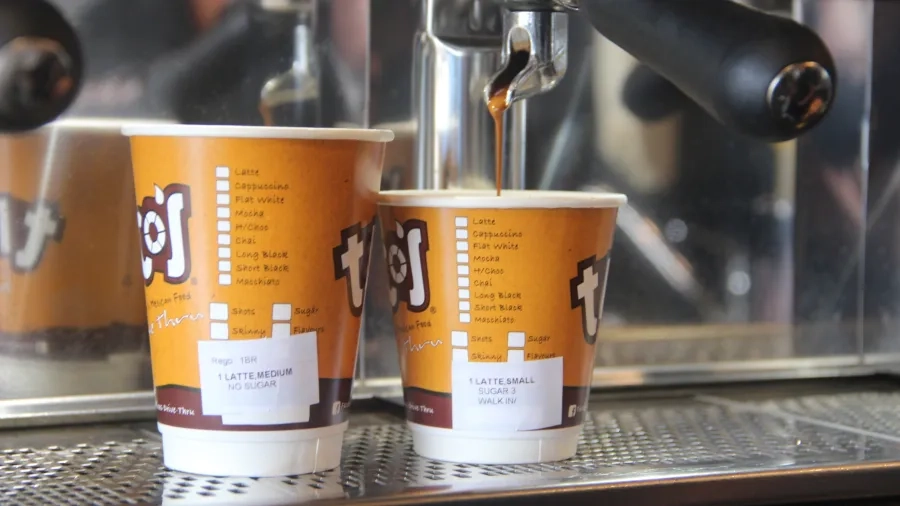
A Good Labeling System And Its Impact On Order Fulfillment
If order accuracy is a challenge for your QSR (Quick Service Restaurant), here is how a labeling system can make all the difference.
“When installed across all ordering channels, StickyPOS helps QSRs reach order accuracy rates up to 98%.” Michael Sfetkidis, Managing Director, StickyPOS Asia-Pacific
Order fulfillment is a critical process in any QSR. Getting orders out the door quickly and accurately is essential to keeping customers happy. Unfortunately, this can be difficult to do, especially in peak times across multiple order channels.
One of the biggest challenges in QSR order fulfillment, is keeping track of all the different items that need to be included in each order. This is where labels come in. A good labeling system helps workers quickly and easily identify what goes into each order. This can speed up the fulfillment process and helps ensure that orders are accurate.
There are a few things to keep in mind when choosing a labeling system for your QSR. Below, we will discuss the order fulfillment process, the role of labels, some common challenges and why a good labeling system can make all the difference.
In most QSRs, orders come in through a Point of Sale (POS) system. Once an order is placed, it is typically sent to a kitchen printer where workers can see what needs to be prepared.
From there, the order moves on to the assembly line. This is where workers will begin assembling the various components of the meal.
Finally, the order is packed and sent out for delivery or pick-up. This is where having a superior labeling system can really come in handy. If items are labeled correctly, workers will know exactly what goes into each order. This can help to ensure accuracy and prevent mix-ups.
There are a few challenges that can make QSR order fulfillment difficult. Firstly, orders can come in rapidly at peak times from multiple order channels. This can make it tough for workers to keep track of what needs to be included in each order.
Secondly, many QSRs use an assembly line style of production. This means that different workers are responsible for adding different components to the meal. If one worker makes a mistake, it can impact the entire order.
Finally, there is often a lot of movement in a QSR kitchen. Workers are constantly moving between different stations, which can make it easy to lose track of orders. This can lead to mistakes and delays in the order fulfillment process.
Labels play a crucial role in QSR order fulfillment. They help workers to identify quickly and easily what goes into each order. This can speed up the production process and help to ensure accuracy.
There are a few things to keep in mind when choosing labels for your QSR:
Oftentimes, QSR’s will use traditional labels that are not well-suited for the high-paced environment. These labels can fall off, be difficult to read, or become unreadable when they encounter hot surfaces.
StickyPOS labels are different:
Furthermore, StickyPOS labels are easy to read and understand. They can be customized to include the customer’s details, car registration number, brand logo, colors, and other important information. This makes it easy to identify what goes into each order and which order goes where.
Customers of StickyPOS typically see their order fulfillment rate improve by 50 + %. They have also seen an increase in production speed and accuracy.
"We know how much restaurant customers hate getting the wrong order. With StickyPOS, we can help to ensure that each order is correct, every time," said Michael Sfetkidis, Managing Director, StickyPOS Asia-Pacific, "Our labels have helped major QSRs improve their order accuracy and speed of service. We are excited to see what they can do for other restaurants."